
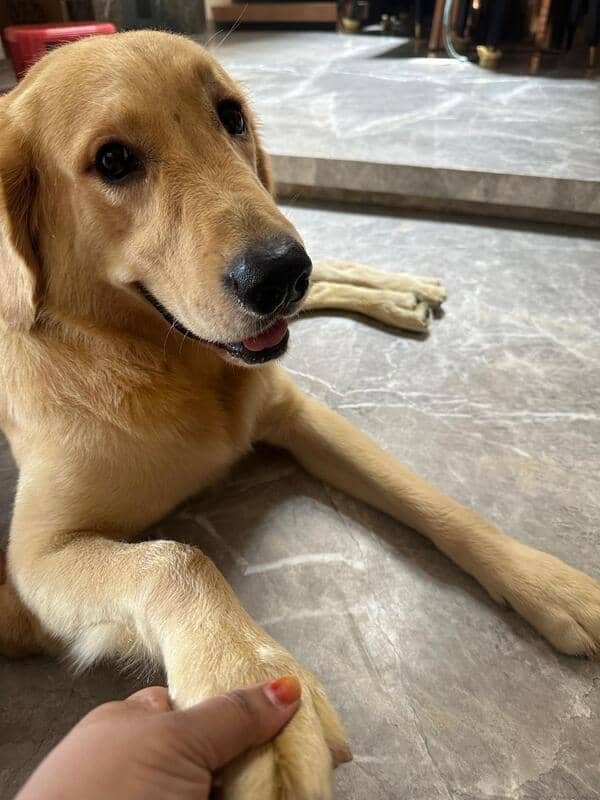
Understanding preventive care, recognising subtle changes and making routine health checks part of responsible pet parenting.
Our pets may seem perfectly healthy, full of energy and happily going about their everyday routines. So, if nothing appears to be wrong, is there really a reason to visit the veterinarian?
Absolutely.
Just like us, pets benefit from regular health assessments, even when they aren’t showing any obvious signs of illness. In fact, routine veterinary visits are an important part of preventive care. They help monitor changes over time, identify potential concerns early and ensure that your pet’s healthcare needs are being addressed at every stage of life. Let’s look at why these visits matter and what you can keep an eye on between appointments.
1. Why wait for something to go wrong?
One of the biggest misconceptions about veterinary visits is that they are only necessary when a pet falls ill.
However, a routine check-up is about much more than treating an existing problem. It gives your veterinarian an opportunity to assess your pet’s overall health, review their medical history and identify changes that may not be immediately noticeable at home.
Pets can be remarkably good at hiding discomfort. Some health conditions develop gradually, with signs that are easy to overlook or mistake for normal changes associated with age. Regular examinations also help establish a picture of what is normal for your individual pet. This can make it easier to recognise changes during future visits.
2. How often should your pet visit the veterinarian?
There isn’t one schedule that suits every pet. Age, species, breed, lifestyle and existing health conditions all influence how frequently veterinary assessments may be needed.
As a general starting point:
- Puppies and kittens: They need more frequent visits during their early months for growth assessments, vaccinations, parasite prevention and developmental guidance.
- Adult pets: A routine health examination at least once a year is a useful general recommendation, even when they appear healthy.
- Senior pets: Older pets may benefit from more frequent assessments, often every six months, depending on their individual health and the veterinarian’s recommendations.
Pets with ongoing medical conditions or particular health concerns may need a more frequent monitoring schedule. Rather than relying on a fixed timetable, discuss an appropriate preventive care plan with your veterinarian.

Routine check-ups help keep track of your pet’s health through every life stage, even when everything seems perfectly fine.
3. What happens during a routine health check?
A veterinary examination is an opportunity to look at your pet’s overall wellbeing rather than focusing on just one aspect of their health.
Depending on your pet’s age and medical history, a routine visit may include:
Weight and body condition
Your veterinarian may assess your pet’s weight, body condition and muscle mass. Gradual changes can sometimes go unnoticed at home, particularly when they happen over several months.
Eyes, ears and skin
The examination may include checking for irritation, discharge, inflammation, lumps, changes in the coat or other visible concerns.
Teeth and gums
Dental health is an important part of overall wellbeing. Your veterinarian can look for plaque, tartar, gum inflammation, damaged teeth and other oral health concerns.
Heart and breathing
Listening to the heart and lungs helps your veterinarian assess their function and identify anything that may need further investigation.
Mobility and joints
Your veterinarian may assess your pet’s movement, posture and comfort, particularly if they are older or have shown signs of stiffness.
Preventive healthcare
Vaccination schedules, parasite prevention, nutrition, lifestyle and other preventive measures can also be reviewed. Recommendations should be based on your pet’s individual needs and environment. Not every visit requires every test or procedure. Your veterinarian will decide what is appropriate based on the examination and your pet’s history.
4. Small changes at home are worth noticing
You spend more time with your pet than anyone else. That makes you particularly well placed to notice changes in their everyday behaviour.
Sometimes, the earliest indication that something isn’t quite right is a change in their usual routine.
Here are a few things worth paying attention to:
- Appetite: Eating noticeably more or less than usual, or showing a sudden change in food preferences.
- Thirst: Drinking significantly more or less water than normal.
- Energy levels: Becoming unusually tired, withdrawn or less interested in activities they previously enjoyed.
- Weight: Gradual or unexplained weight gain or loss.
- Movement: Stiffness, limping, reluctance to jump, climb stairs or go for walks.
- Grooming and coat: Changes in coat condition, excessive licking, scratching or reduced grooming.
- Toileting habits: Changes in urination, bowel movements or litter box habits.
- Behaviour: Becoming unusually irritable, restless, anxious or less sociable.
These changes don’t necessarily indicate a serious health problem, but they are worth discussing with your veterinarian, particularly if they persist, recur or appear suddenly. Cats deserve particular attention here, as they may be quite subtle when something is bothering them. Changes in litter box habits, grooming, appetite or social behaviour can sometimes be the first noticeable clues.

Changes in appetite, energy, movement or behaviour may be subtle, but paying attention to them can help you know when it’s time to seek veterinary advice.
5. Don’t overlook dental health
Dental care is sometimes pushed down the priority list, especially when a pet continues eating normally and doesn’t appear uncomfortable.
However, dental problems can develop gradually, and pets may not always show obvious signs of discomfort.
Bad breath, discoloured teeth, red or bleeding gums, excessive drooling, difficulty chewing or dropping food can all warrant a closer look.
Regular veterinary dental assessments help identify problems early. Your veterinarian can also demonstrate appropriate home dental care and advise on suitable products and cleaning routines. If you notice changes in your pet’s mouth or eating habits, don’t wait for the next scheduled check-up.
6. Keep a simple health record
A little organisation can make veterinary visits much more productive.
Keeping a record of your pet’s health information helps you provide useful details when discussing concerns with your veterinarian.
You could maintain a simple record of:
- Vaccination dates and upcoming appointments.
- Deworming and parasite prevention.
- Previous illnesses, treatments and medications.
- Changes in weight.
- Any recurring skin, digestive or behavioural concerns.
- Questions you’d like to discuss during the next visit.
Photographs and short videos can also be useful. For example, if your pet occasionally limps or displays an unusual behaviour that isn’t happening during the appointment, a recording may help your veterinarian understand what you’ve observed. You don’t need an elaborate tracking system. Even a simple notebook or digital record can be helpful.
7. A little attention today can make a difference tomorrow
Preventive care isn’t about worrying over every small change or rushing to the veterinarian for every minor variation in behaviour. It’s about knowing your pet, understanding their usual routines and recognising when something deserves attention.
Regular check-ups, appropriate preventive care and a little observation at home all contribute to a more informed approach to looking after them. And remember, you don’t have to wait for a scheduled appointment if something concerns you. Sudden or significant changes deserve prompt veterinary attention. Difficulty breathing, collapse, seizures, suspected poisoning or an inability to pass urine are examples of emergencies that require immediate veterinary care.

Knowing your pet’s usual habits, routines and expressions makes it easier to notice when something feels different.
Our pets rely on us to notice the things they cannot tell us. Sometimes, one of the most thoughtful things we can do for them is to make time for a check-up, even when everything seems perfectly fine.