

Enrichment isn’t always about doing more. Sometimes, it’s about making room for the things that come naturally to your pet.
A comfortable home, nutritious meals, regular walks and plenty of affection are all important parts of caring for a pet. But have you ever considered how much of their day is spent simply following the same routine?
While routine provides familiarity and security, pets also benefit from opportunities to explore, make choices, use their senses and engage with the world around them. This is where enrichment comes in.
Pet enrichment is about providing experiences that encourage natural behaviours, offer mental and physical stimulation, and make everyday life more interesting. And the best part? It doesn’t have to be complicated or expensive. Here are a few ways to bring more enrichment into your pet’s everyday routine.
1. Let them explore at their own pace
For many pets, exploring their surroundings is an important part of experiencing the world.
For dogs, a walk isn’t just about covering a certain distance or getting their daily exercise. It is also an opportunity to sniff, investigate interesting scents and take in their surroundings. Allowing some time for sniffing, rather than hurrying through the entire walk, can make the experience more engaging.
For cats, opportunities to observe the outdoors from a secure window, explore different levels around the home or investigate a new object can provide stimulation. Try setting aside some time each day for unhurried exploration. Follow your pet’s interest, where it is safe to do so, and let them decide what deserves a closer look.

Every walk brings something new to discover. The joy is in taking the time to explore.
2. Make mealtimes more interesting
Meals don’t always have to be served in the same way.
Food-based enrichment gives pets an opportunity to engage their senses and work for some of their food. For example, you could try a suitable food puzzle, a slow feeder or a simple scatter-feeding activity using part of their regular meal.
For pets who enjoy searching, hiding small portions of their food in safe, accessible places can turn mealtime into an engaging activity. Always consider your pet’s age, eating habits and individual needs. Supervise new feeding activities, choose appropriate equipment and avoid anything that could be swallowed or cause frustration.
3. Make time for play
Play is more than a way to keep pets occupied. It offers opportunities for movement, interaction, problem-solving and positive engagement.
Different pets enjoy different kinds of play. Some may enjoy chasing a toy, while others prefer tug games, retrieving or exploring toys that make them think.
Cats may enjoy toys that encourage stalking, chasing and pouncing. Rotating their toys occasionally can also help maintain interest without constantly introducing new ones. Pay attention to what your pet enjoys. Keep sessions appropriate to their energy levels and physical abilities, and allow them to take breaks when needed.
4. Introduce variety without overwhelming them
A change in routine can be interesting, but enrichment doesn’t mean introducing something new every day.
You could rotate a few familiar toys, introduce a new texture to investigate, offer a different walking route where appropriate, or create a simple activity using items already available at home.
The important thing is to observe how your pet responds. Some pets are naturally curious and enthusiastic about new experiences, while others need more time to feel comfortable. Introduce changes gradually and give your pet the freedom to approach or move away. An activity should be enjoyable, not something they are expected to tolerate.
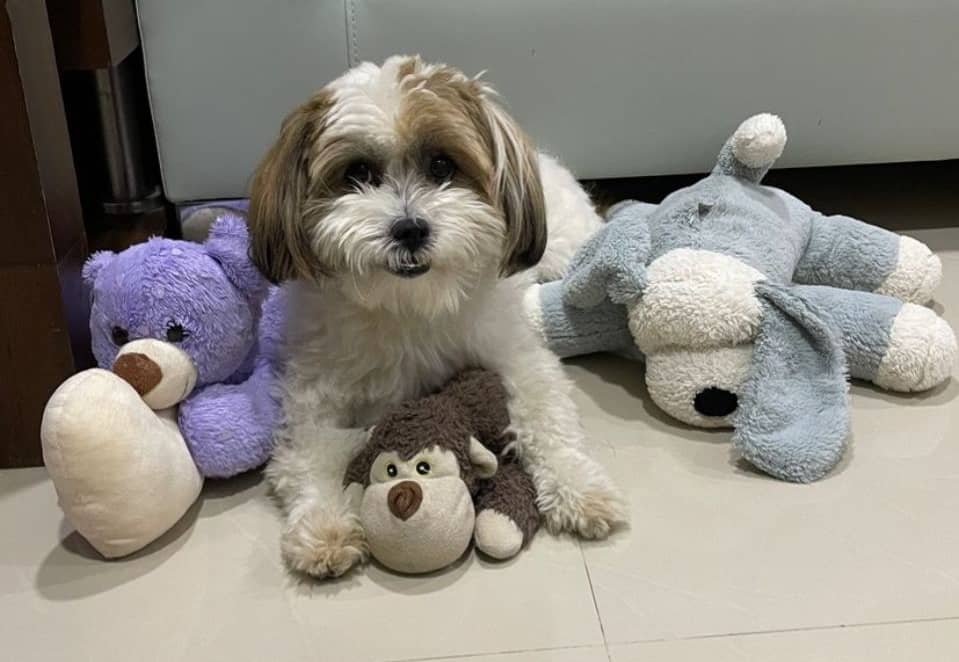
Play offers opportunities to explore, stay curious, and enjoy a little interaction along the way.
5. Give them opportunities to make choices
One of the simplest ways to make a pet’s day more engaging is to allow them some control over their experiences.
This could mean letting them choose which toy to play with, giving them the option to explore a safe area, or allowing them to decide when they have had enough of an activity.
For cats, this might involve providing different resting spots, hiding places and elevated spaces. For dogs, it could mean offering a choice between familiar toys or allowing them to explore at their own pace during a walk. These opportunities may seem small, but respecting your pet’s preferences is an important part of understanding their individual personality.
6. Remember that rest is part of enrichment too
Enrichment isn’t about keeping pets busy throughout the day.
Rest, quiet time and a comfortable environment are equally important. Pets need opportunities to relax without being constantly interrupted or encouraged to participate in activities.
Make sure your pet has a comfortable place to retreat to, especially in a busy household. Observe their behaviour and give them space when they want to rest. A good routine balances activity with downtime.
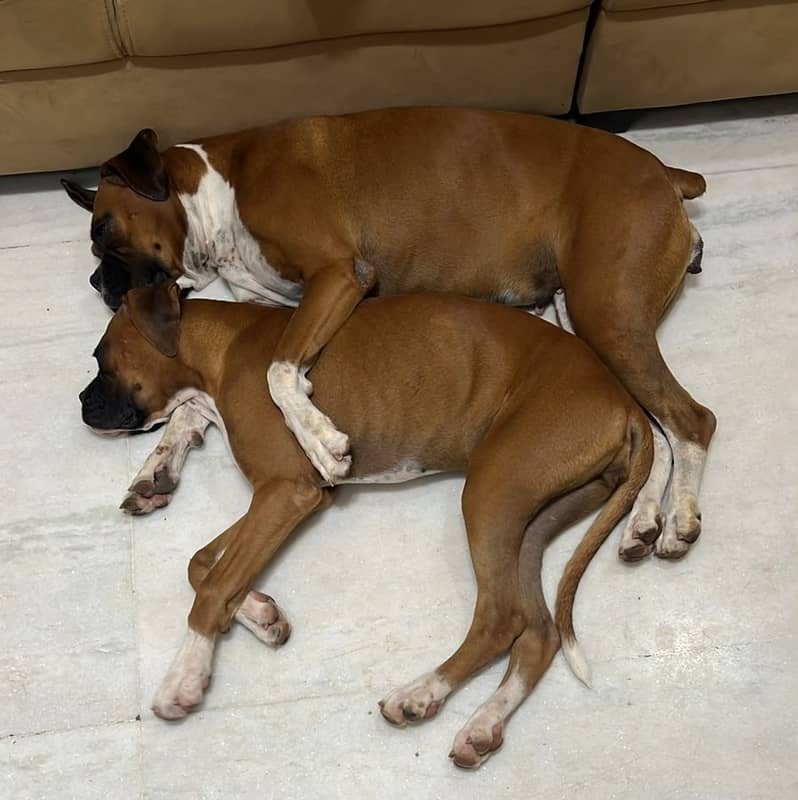
Sometimes, the best part of the day is simply having a comfortable spot to relax.
7. Make everyday moments count
Enrichment doesn’t always need to be a planned activity or something elaborate. A few minutes of interactive play, an opportunity to sniff during a walk, a new way to serve part of a meal or simply spending uninterrupted time together can all add variety to your pet’s day.
What matters is understanding what your pet enjoys and finding ways to incorporate those experiences into your existing routine. Age, temperament, health, mobility and individual preferences all influence what is suitable, so start with simple activities, observe your pet’s response and build from there.

At the heart of enrichment is taking the time to see the world from your pet’s perspective.
After all, a good life for our pets isn’t just about the big occasions. It’s also about making room for curiosity, play, discovery and all the everyday moments in between.